
Orthopaedics is the medical specialty dedicated to the diagnosis, treatment and prevention of diseases and injuries affecting the musculoskeletal system — including bones, joints, muscles, ligaments and tendons. At our clinic, we have an experienced and multidisciplinary team that works in close collaboration with other specialties, offering a comprehensive and personalised approach to each patient. Our focus is to restore your well-being, mobility and confidence so you can safely return to your daily or sporting activities.
Through a detailed assessment and complementary diagnostic examinations, we identify the exact cause of pain or movement limitation. From there, we develop a treatment plan tailored to the needs of each case — which may include physiotherapy, regenerative therapies, injections, shockwave therapy or, when necessary, surgical intervention. More than simply treating pain, our goal is to promote functional recovery and prevent future injuries, ensuring long-lasting results and improved quality of life.
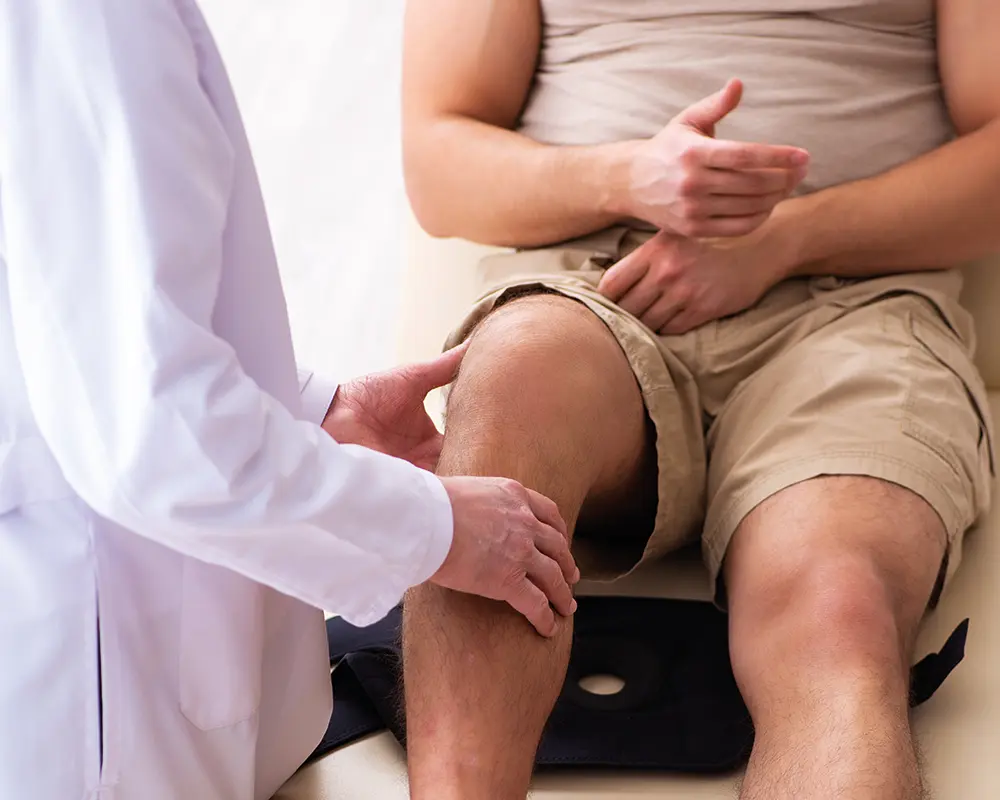

You should consult an orthopaedist whenever you experience persistent pain in the joints, muscles or bones, limitation of movement, swelling, deformities, or after a fall or impact that causes discomfort. Even small, repetitive aches may indicate an underlying issue which, if treated early, can prevent future complications.
No. Most orthopaedic conditions can be treated conservatively through physiotherapy, medication, manual therapies or minimally invasive techniques. Surgery is only considered when clinical treatment is not sufficient to restore function or effectively relieve pain.
Prevention is essential. Maintain good posture, engage in regular and safe physical activity, perform stretching exercises, wear appropriate footwear and avoid repetitive movements that overload the joints. In addition, regular assessment consultations help detect imbalances or weaknesses early, preventing them from developing into more serious injuries.
